
Why Honduras
Birding in Honduras
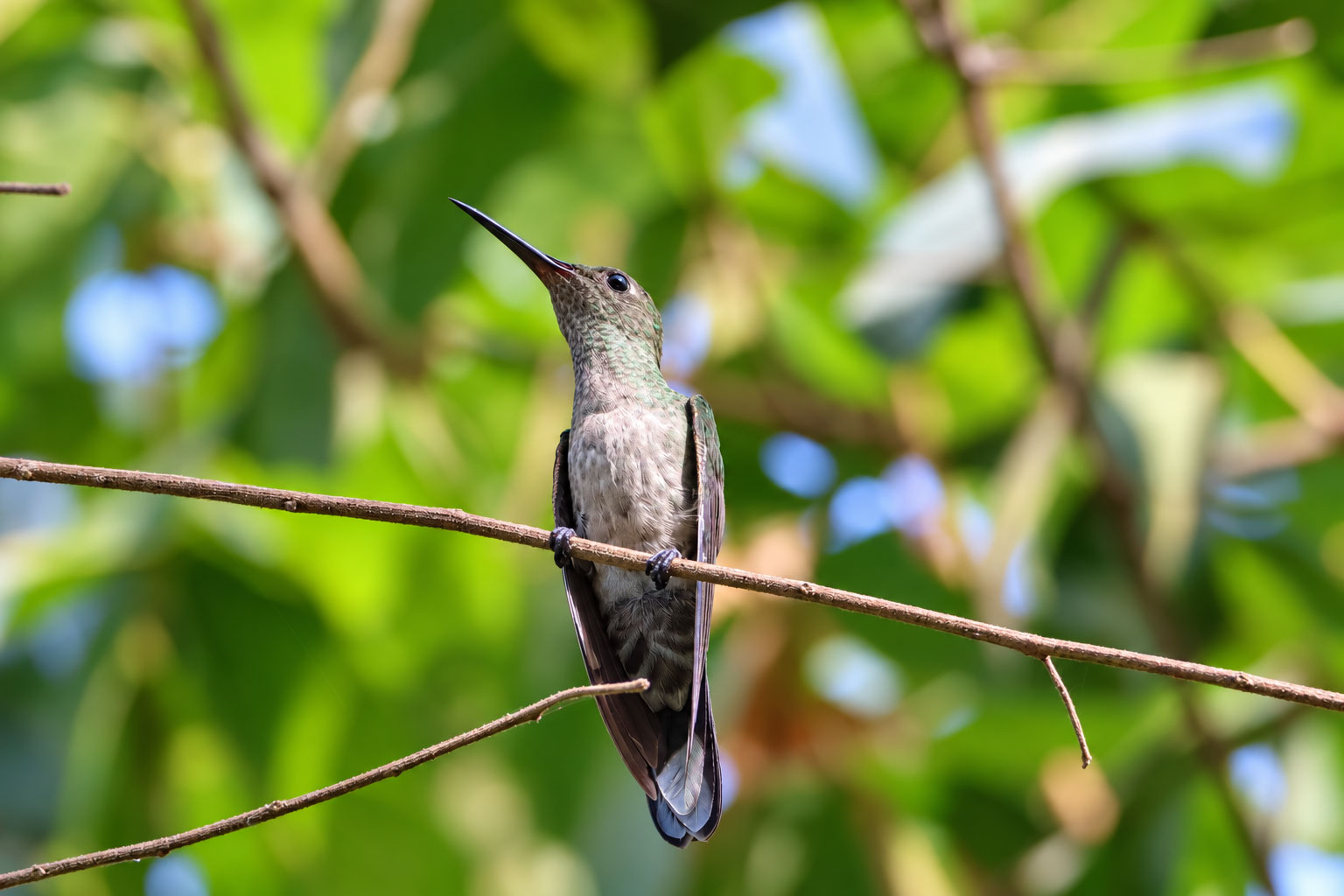
Situated at the heart of Central America, Honduras offers one of the region’s most rewarding and comparatively underexplored birding experiences. The country supports more than 700 recorded bird species, distributed across an impressive variety of ecosystems—from Caribbean coastal wetlands and tropical lowland forests to pine-oak woodlands, cloud forests, offshore islands and the dry forests of the interior.
Its geographical position makes Honduras an important meeting point for resident Central American birds and migratory species travelling between North and South America. This combination gives visitors opportunities to observe colourful tropical residents alongside warblers, raptors, waterbirds and other long-distance migrants.
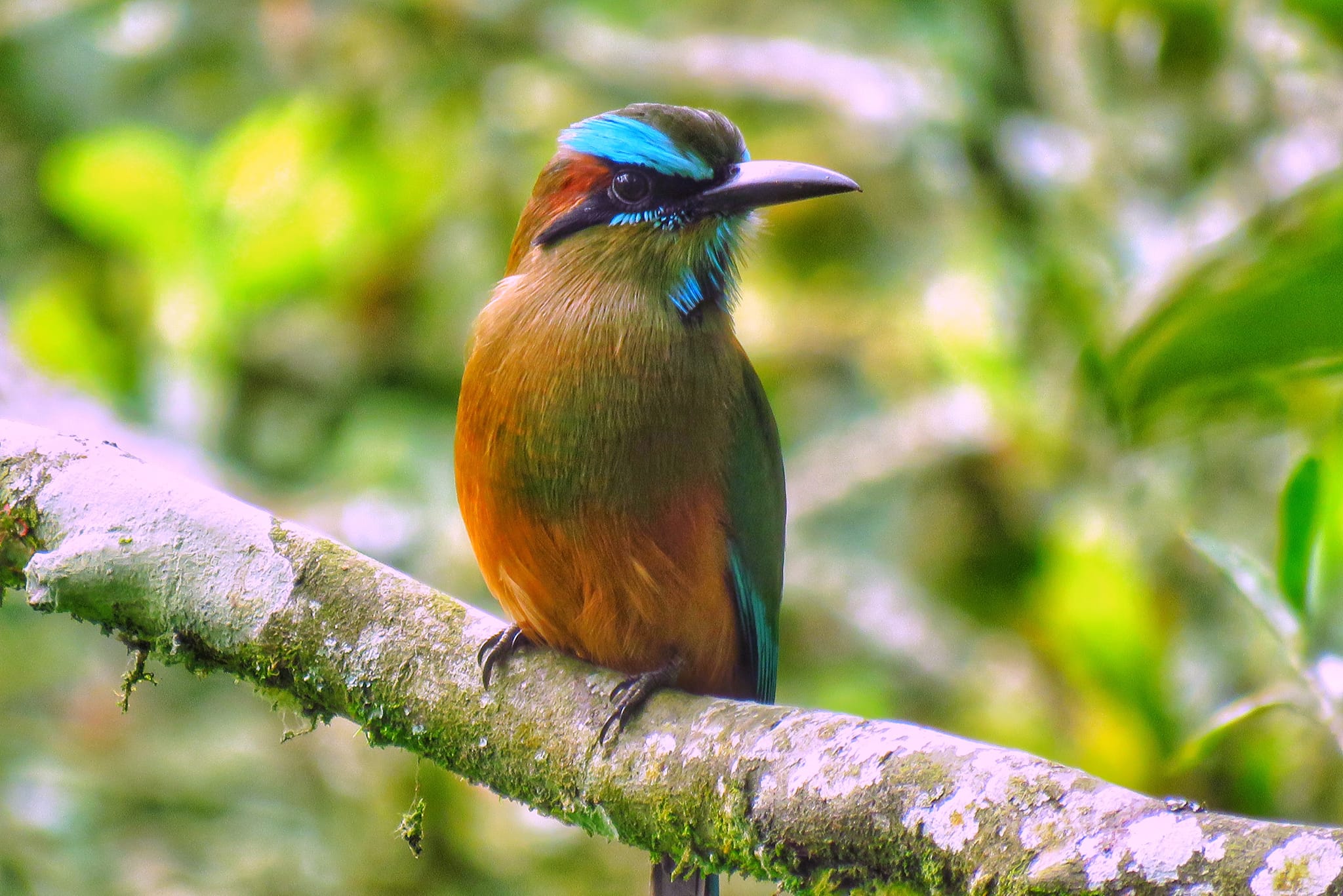
Among the country’s most celebrated birds is the Honduran Emerald, a hummingbird found only in Honduras. Other highly sought-after species include the Resplendent Quetzal, Lovely Cotinga, Keel-billed Motmot, Ocellated Quail, Great Curassow and the magnificent Scarlet Macaw—the national bird of Honduras.
Pico Bonito National Park
One of Honduras’s best-known birding destinations, Pico Bonito protects extensive Caribbean-slope forest rising from tropical lowlands into mountainous terrain. More than half of the country’s bird species have been recorded in and around this landscape.
Lake Yojoa
The country’s largest natural lake is surrounded by wetlands, forest, coffee-growing landscapes and mountains. This diversity of habitats makes the Lake Yojoa region particularly productive for waterbirds, forest species, hummingbirds, toucans and migratory birds.
Cerro Azul Meámbar National Park
Located near Lake Yojoa, this mountain landscape protects humid and cloud forests that support mixed-species feeding flocks, raptors, hummingbirds and other highland specialities.
La Tigra National Park
Close to Tegucigalpa, La Tigra provides accessible cloud-forest birding and demonstrates how protected natural areas can support conservation, education, recreation and urban tourism.
Copán and western Honduras
The forests, archaeological landscapes and rural communities surrounding Copán provide opportunities to combine birdwatching with cultural heritage tourism. The area is also closely associated with Scarlet Macaw conservation and environmental education.
La Mosquitia and the Río Plátano landscape
Eastern Honduras contains some of Central America’s most extensive remaining tropical wilderness. The Río Plátano Biosphere Reserve supports globally important biodiversity and has been recognized as a UNESCO World Heritage Site, although it remains threatened by pressures including forest loss and illegal land use.
Birding in Honduras is therefore more than the search for individual species. It is a journey through forests, wetlands, mountains, coffee farms, archaeological sites and community landscapes. It offers an opportunity to experience the country’s natural heritage while supporting guides, accommodation facilities, conservation organizations, researchers and local enterprises.Pico Bonito National Park
One of Honduras’s best-known birding destinations, Pico Bonito protects extensive Caribbean-slope forest rising from tropical lowlands into mountainous terrain. More than half of the country’s bird species have been recorded in and around this landscape.
Lake Yojoa
The country’s largest natural lake is surrounded by wetlands, forest, coffee-growing landscapes and mountains. This diversity of habitats makes the Lake Yojoa region particularly productive for waterbirds, forest species, hummingbirds, toucans and migratory birds.
Cerro Azul Meámbar National Park
Located near Lake Yojoa, this mountain landscape protects humid and cloud forests that support mixed-species feeding flocks, raptors, hummingbirds and other highland specialities.
La Tigra National Park
Close to Tegucigalpa, La Tigra provides accessible cloud-forest birding and demonstrates how protected natural areas can support conservation, education, recreation and urban tourism.
Copán and western Honduras
The forests, archaeological landscapes and rural communities surrounding Copán provide opportunities to combine birdwatching with cultural heritage tourism. The area is also closely associated with Scarlet Macaw conservation and environmental education.
La Mosquitia and the Río Plátano landscape
Eastern Honduras contains some of Central America’s most extensive remaining tropical wilderness. The Río Plátano Biosphere Reserve supports globally important biodiversity and has been recognized as a UNESCO World Heritage Site, although it remains threatened by pressures including forest loss and illegal land use.
Birding in Honduras is therefore more than the search for individual species. It is a journey through forests, wetlands, mountains, coffee farms, archaeological sites and community landscapes. It offers an opportunity to experience the country’s natural heritage while supporting guides, accommodation facilities, conservation organizations, researchers and local enterprises.
Women Birders in Honduras
Women in Honduras are increasingly participating in birdwatching as professional guides, tourism entrepreneurs, researchers, photographers, educators, conservation practitioners and community mobilizers.
Their involvement is helping to broaden the social and economic value of birding. Through their work, birds become tools for environmental education, scientific observation, destination promotion, youth mentorship, community development and the creation of sustainable livelihoods.
Organizations such as Aves Honduras are promoting bird awareness, bird tourism, local birding clubs, research and conservation. Their engagement with young people demonstrates the importance of developing the next generation of Honduran birders and conservation leaders.
Women tourism professionals are also creating and leading birding experiences. Isis Castro Alberto, a Honduran birdwatching tour leader and tourism entrepreneur, is one example of women combining birding, destination marketing and responsible travel.
However, women entering birding and conservation may still encounter challenges, including limited access to equipment, professional training, field experience, financing, research opportunities, international networks and leadership positions. The conference creates an opportunity to identify practical responses to these barriers.
The conference can help women to:
- Strengthen bird identification, guiding and interpretation skills.
- Develop careers in ornithology, conservation and bird tourism.
- Gain access to mentors, research networks and international partners.
- Establish women-led birding clubs, enterprises and conservation initiatives.
- Improve skills in photography, communication and digital storytelling.
- Participate in citizen science and bird-monitoring programmes.
- Influence conservation and tourism policies.
- Mentor girls and young women interested in nature-based careers.
The Second International Conference for Women Birders will celebrate what women have already achieved while creating a stronger pathway for future leadership.
GET IN TOUCH
QUICK LINKS
2027

© 2026 International Conference for Women Birders
Crafted by Robylinks Solutions