
Birding Sites for IC4WB Honduras 2027
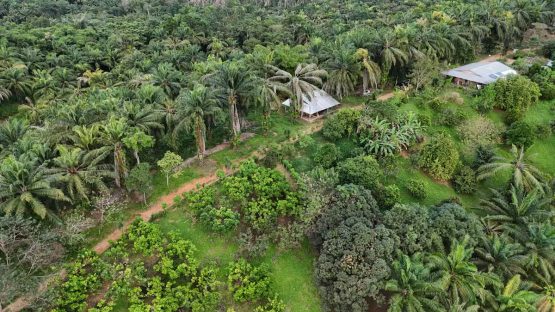
Finca Macondo Bird Sanctuary
Located in Las Metalias, just about 30 minutes from Tela, Finca Macondo Bird Sanctuary is a privately protected tropical refuge where productive farmland is gradually being transformed into a thriving habitat for wildlife. The property combines tropical forest, regenerating areas, fruit orchards and agricultural landscapes, creating a rich mosaic of habitats for birds. eBird records currently document 232 bird species, making Macondo one of the most exciting birding sites in the Tela area.
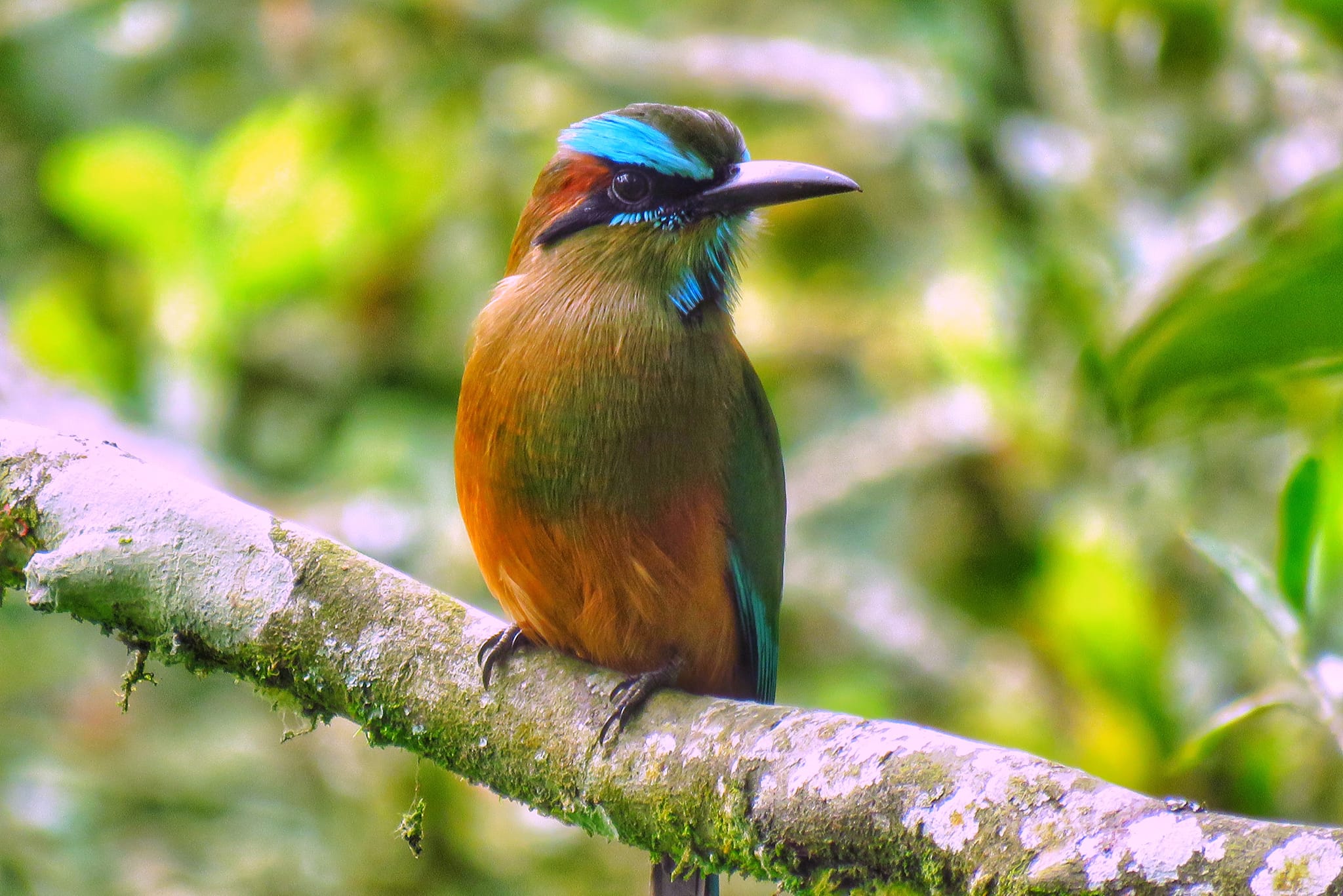
Among its highlights are Golden-hooded Tanager, Black-headed Trogon, Gartered Violaceous Trogon, Keel-billed Motmot, Turquoise-browed Motmot, Rufous-tailed Jacamar, Keel-billed Toucan, White-collared Manakin and several raptor species, including Crane Hawk and Black Hawk-Eagle. The sanctuary is also particularly attractive during migration, when a variety of North American warblers can be encountered.
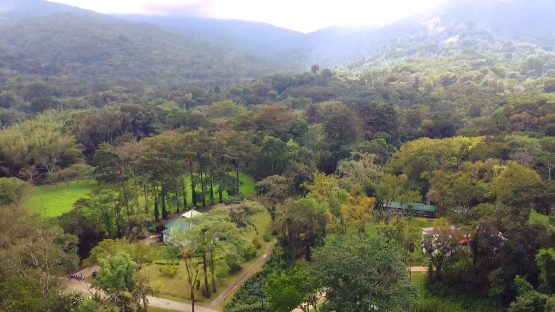
Lancetilla Botanical Garden
Lancetilla Botanical Garden is one of the most important birding sites in Tela and one of Honduras’ outstanding biodiversity hotspots. Located just a few kilometers from downtown Tela, this historic botanical garden combines tropical gardens, an arboretum, mature forest, fruiting trees, and the iconic bamboo tunnel, creating a remarkable variety of habitats within a relatively compact area.
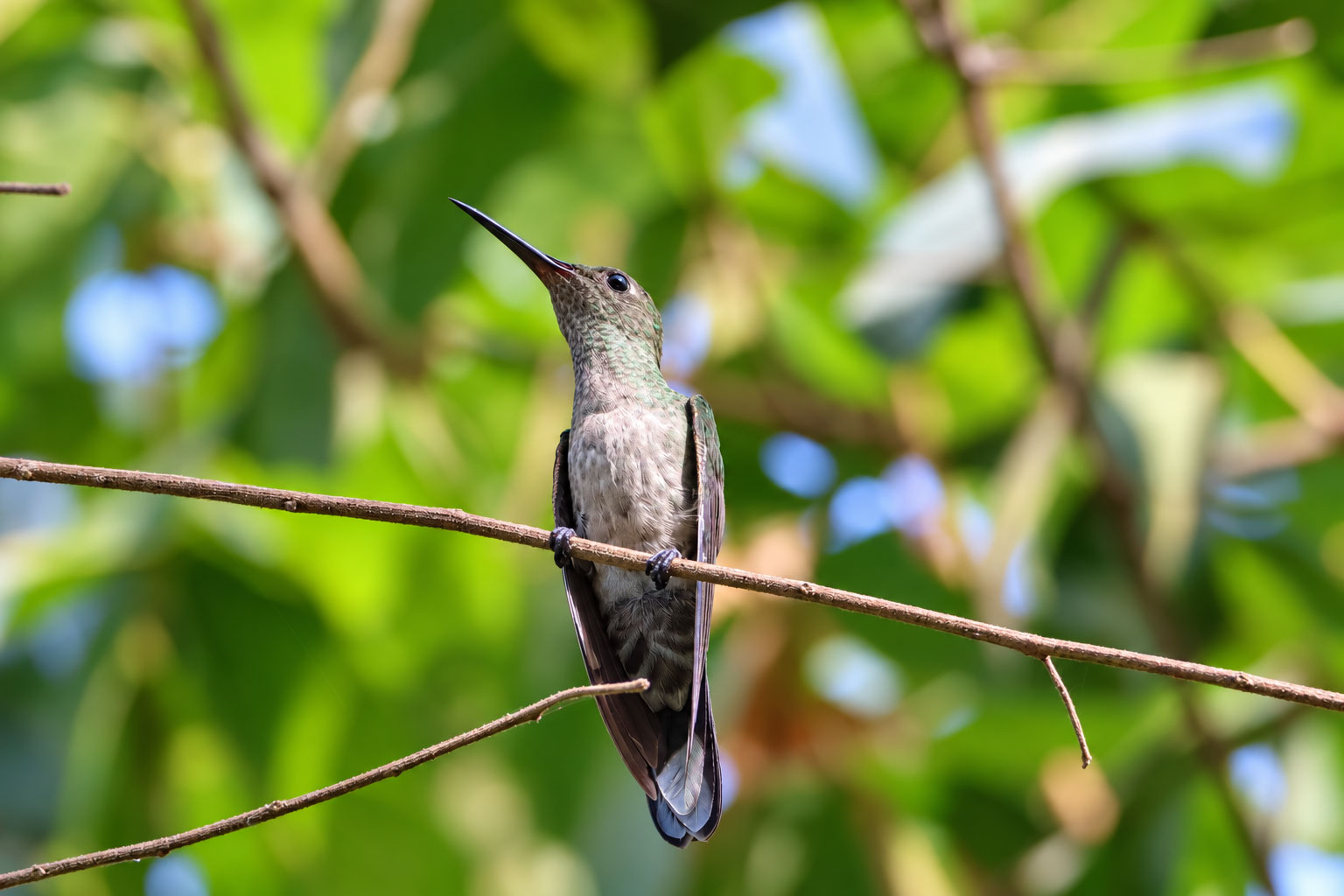
The site has recorded more than 325 bird species, making it an exceptional destination for both resident and migratory birds. Among the species regularly sought by birders are Rufous-breasted Spinetail, Slate-colored Seedeater, White-bellied Emerald, Keel-billed Toucan, Slate-headed Tody-Flycatcher, Scaly-breasted Hummingbird, Olivaceous Piculet, and Northern Plain-Xenops.
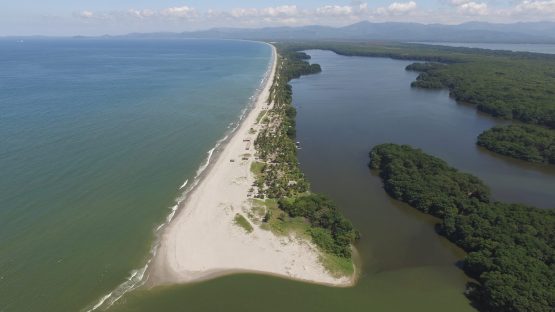
Laguna de Los Micos / Jeannette Kawas NP
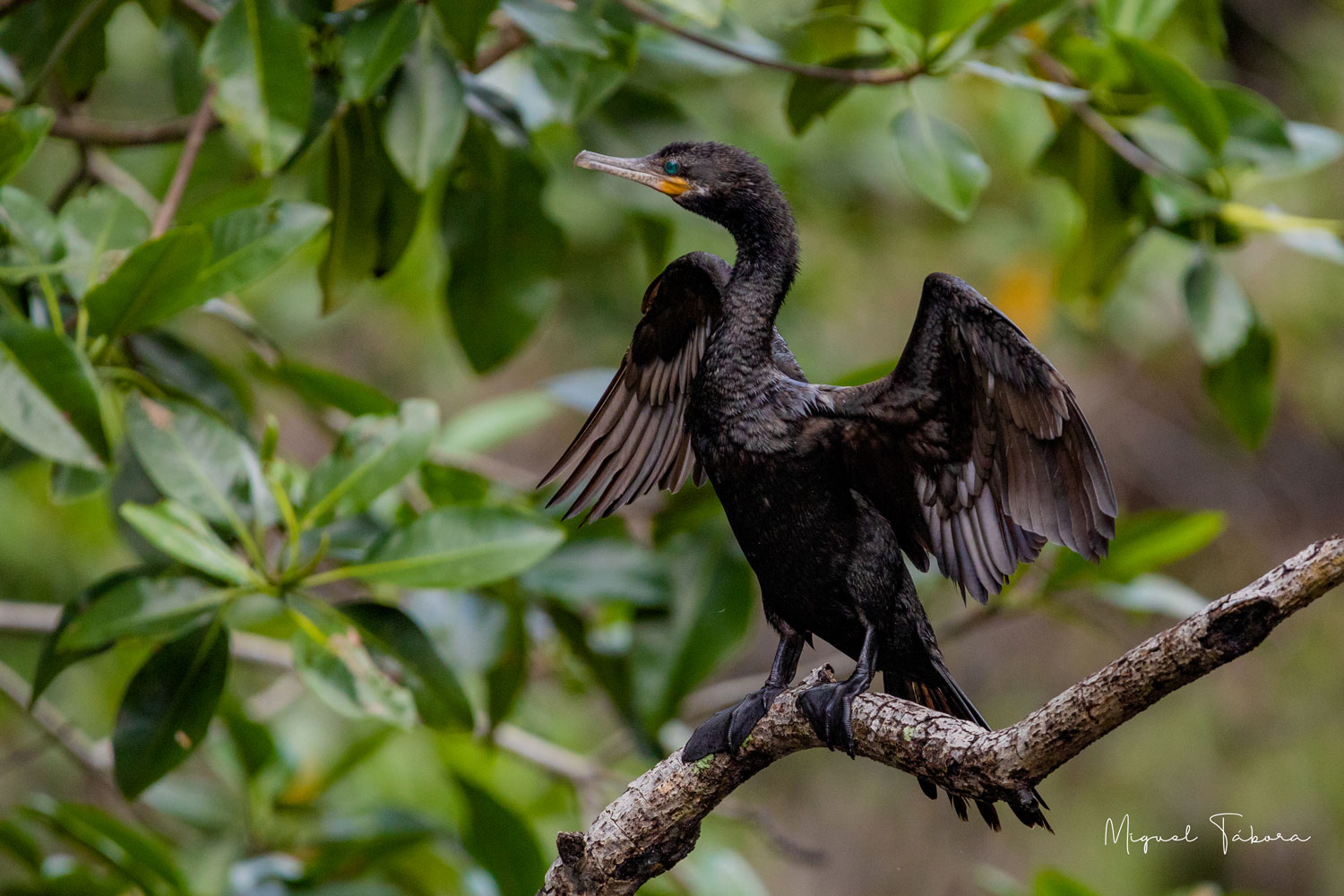
Laguna de Los Micos is one of the most important wetland birding sites in the Tela area and forms part of Jeannette Kawas National Park. Located approximately 20 km from Tela, the lagoon is a complex of open water, mangrove channels, small islands, and surrounding wetlands that provide habitat for an impressive diversity of aquatic and terrestrial wildlife. Current eBird records document 254 bird species, plus 13 additional taxa, highlighting the importance of this wetland for bird conservation and observation. The lagoon is particularly attractive for observing waterbirds and wetland specialists, including Least Grebe, Wood Stork, Roseate Spoonbill, Bare-throated Tiger-Heron, Boat-billed Heron, Agami Heron, White Ibis, Anhinga, Neotropic Cormorant, and Osprey.
Exploring the lagoon by boat provides a unique perspective of the interconnected wetland habitats and creates opportunities to observe birds at close range while also experiencing the broader wildlife of the national park. The surrounding area can also be connected with local Garifuna cultural experiences, adding an important human dimension to the nature experience.
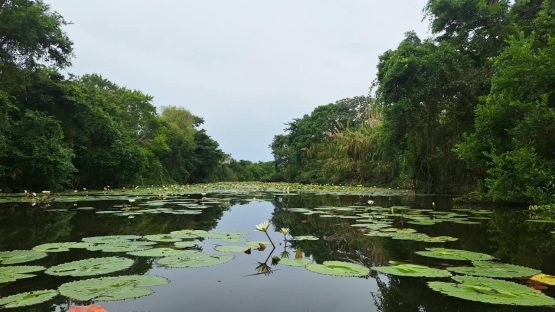
Indura / Jeannette Kawas NP
Indura offers a distinctive birding experience within the broader landscape of Jeannette Kawas National Park, where tropical vegetation, open areas, gardens, wetlands, and water channels create a mosaic of habitats close to the Caribbean coast. Located approximately 10–15 km from Tela, the resort provides access to both terrestrial and aquatic birding environments, making it possible to explore different habitats without leaving the property. The Indura birding hotspot has recorded 164 species, while six months of monitoring identified several species of particular interest for specialized birders and photographers.
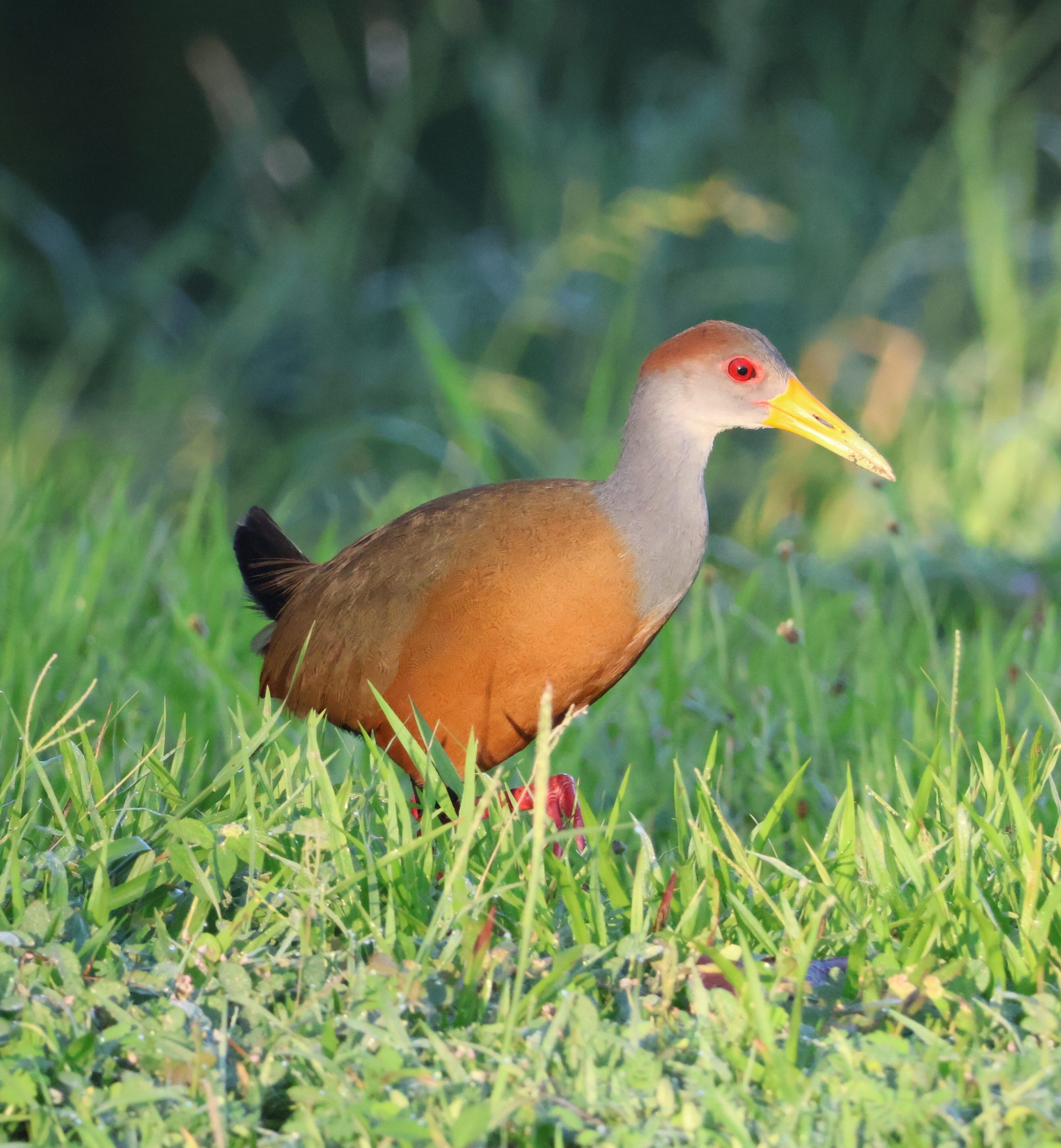
The aquatic habitats are especially significant, supporting species such as Agami Heron, Boat-billed Heron, Sungrebe, Mangrove Cuckoo, American Pygmy Kingfisher, Northern Jacana, and Bare-throated Tiger-Heron. The terrestrial areas add species such as Russet-naped Wood-Rail, Turquoise-browed Motmot, Melodious Blackbird, White-fronted Amazon, Olive-throated Parakeet, Red-lored Amazon, Black-headed Trogon, and Lesser Yellow-headed Vulture.
GET IN TOUCH
QUICK LINKS
2027

© 2026 International Conference for Women Birders
Crafted by Robylinks Solutions