
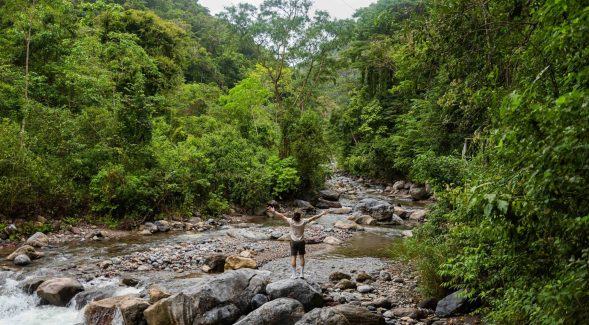
Honduras is a country where nature, culture, and adventure come together in a remarkably diverse landscape.
For visitors drawn by its birds, the journey can become much more: an opportunity to explore tropical forests, Caribbean coastlines, rural communities, archaeological sites, historic towns, and a cuisine deeply connected to the identity of its people.
With an extraordinary variety of ecosystems and around 91 protected areas covering approximately 27% of the national territory, Honduras offers countless ways to discover nature.
A Country of Extraordinary Biodiversity
Honduras brings together an impressive range of landscapes within a relatively compact territory: tropical rainforests, cloud forests, mangroves, wetlands, lagoons, rivers, mountains, and coastlines along both the Caribbean Sea and the Pacific Ocean.
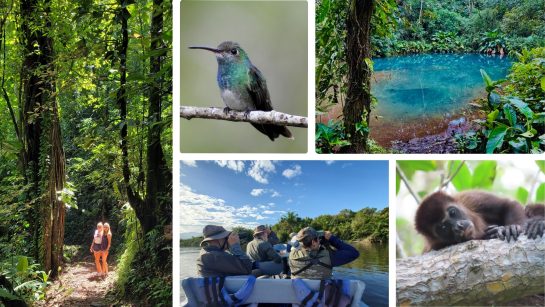
This diversity of ecosystems supports an extraordinary wealth of flora and fauna. Honduras is home to 800 bird species, making it an especially appealing destination for anyone eager to explore the biodiversity of Mesoamerica. But birds are only part of the story. Across the country, visitors can also discover a rich variety of mammals, reptiles, amphibians, plants, and other wildlife.
Caribbean Nature at Its Best
The North Coast: Where the Journey Begins
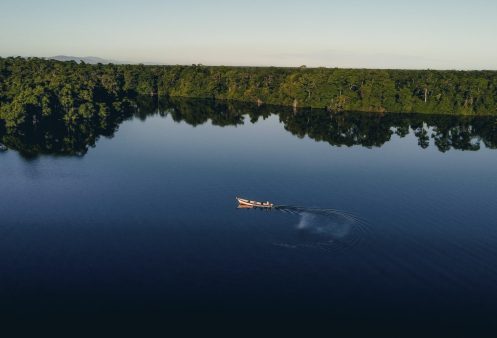
Honduras’s Caribbean coast offers an exceptional combination of beaches, tropical forests, wetlands, rivers, and protected areas. From Tela and La Ceiba, visitors can spend the morning birding in the forest, then explore a lagoon, walk through a botanical garden, or enjoy the food and culture of coastal communities. The department of Atlántida is particularly appealing to nature lovers, photographers, and birders because of the close proximity of diverse ecosystems and wildlife sites.
For IC4WB participants, Tela will be the gathering point. For those who choose to extend their trip, the region can also serve as a gateway to many other Honduran experiences.
Rainforests, Mountains, and Adventure
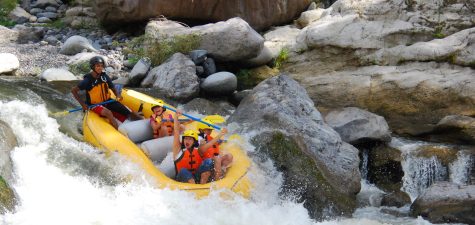
Honduras is also a destination for travelers seeking adventure and a deeper connection with nature. Its national parks offer hiking, ziplining, rafting, waterfalls, rivers, and trails through different forest types. In Pico Bonito National Park, for example, visitors can experience changing landscapes from the Caribbean lowlands to the mountains while exploring trails, rivers, and waterfalls. The Cangrejal River also offers opportunities for adventure activities such as white-water rafting.
Maya Heritage and Colonial Honduras
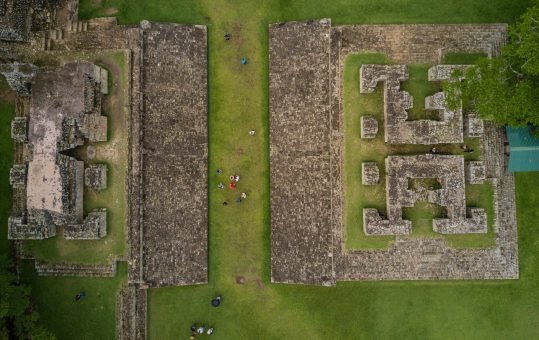
Honduras’s history is deeply connected to its landscapes. The country preserves important traces of the civilizations that inhabited Mesoamerica, along with towns and cities that reflect its colonial past. The archaeological site of Copán is one of Honduras’s great cultural treasures and a UNESCO World Heritage Site. Its monumental sculptures, architecture, and historical legacy offer a window into the sophistication of the Maya civilization at the southern edge of the Maya region.
The journey can continue to historic towns and cities such as Gracias and Comayagua, where heritage, architecture, gastronomy, and local traditions offer another perspective on Honduras. The country’s colonial heritage is rich, and many archaeological sites remain to be further explored and studied.
Gastronomy Rooted in Culture
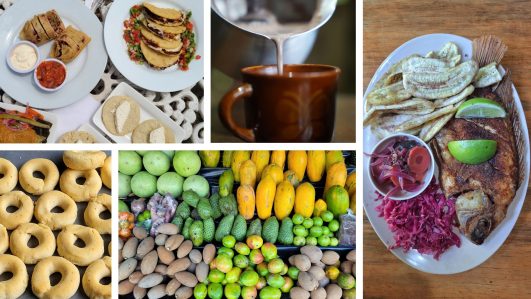
Traveling through Honduras also means discovering the country through its flavors. Honduran cuisine reflects its cultural diversity, bringing together Indigenous, pre-Columbian, Spanish, Creole, and African influences.
Corn, seafood, tropical fruits, cacao, coffee, dairy products, meat, and locally grown produce all feature in a cuisine that varies from region to region. Along the Caribbean coast, seafood and the culinary traditions of coastal communities offer a different experience from the foods of the highlands or western Honduras.
For international visitors, tasting Honduras is another way to get to know its people, stories, and landscapes.
Rural Honduras: People, Landscapes, and Traditions
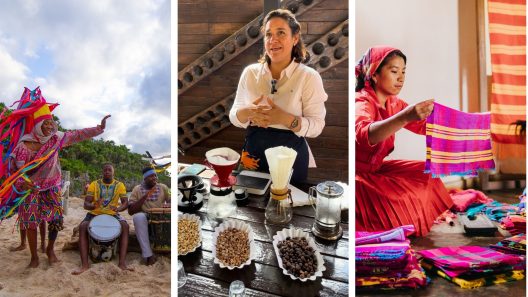
Beyond the country’s main tourist destinations, Honduras offers opportunities to experience rural life and discover the productive landscapes that are part of its identity.
Coffee and cacao farms, tropical crops, rural communities, and small enterprises allow visitors to learn firsthand how some of Honduras’s distinctive flavors are produced.
These experiences connect travelers with producers, families, and communities, while creating opportunities to support localeconomies and more responsible forms of tourism.
Extend Your Stay
Your journey does not have to
end when the conference does.
Combine your IC4WB experience in Tela with additional days of birding; discover the biodiversity of Pico Bonito and Lake Yojoa; explore the Maya heritage of Copán; experience rural landscapes where coffee and cacao are grown; or venture farther afield to the country’s Caribbean and tropical regions.
The birds may be what brings you to Honduras, but they are only the beginning.
Honduras is waiting to be explored — one bird, one landscape, and one experience at a time. Let us know is you are interested to extend your stay before or after the conference. Write us at: honduras@ic4wb.com or isis@choosehonduras.com
GET IN TOUCH
QUICK LINKS
2027

© 2026 International Conference for Women Birders
Crafted by Robylinks Solutions